Indian apartment living has grown drastically over recent years, moving beyond functional spaces into personalized sanctuaries that express individual taste while taking inspiration from global design movements. Interior design trends in 2026 are adapting to meet the challenges faced by urban Indian homes, where space can be at a premium and functionality must co-exist with aesthetics – whether your 1BHK home is small or a spacious 3BHK is, understanding these trending interior design concepts will enable you to craft one that both embodies contemporary American tastes while remaining true to Indian values.
Biophilic Design Has Been on the Rise in Indian Apartments

Biophilic design has quickly become one of the key interior design trends transforming Indian urban homes in 2026. This nature-centric trend goes far beyond simply adding potted plants; rather, it establishes a meaningful link between indoor living spaces and nature through indoor gardens, vertical green walls, large windows that bring light inside, etc.
Biophilic design offers many more advantages than aesthetic ones. According to studies, exposure to nature-inspired elements reduces stress levels, boosts cognitive functioning, and elevates overall mood – especially important in compact Indian apartments with limited outdoor space where biophilic elements create a feeling of openness and tranquility that contribute to mental well-being.
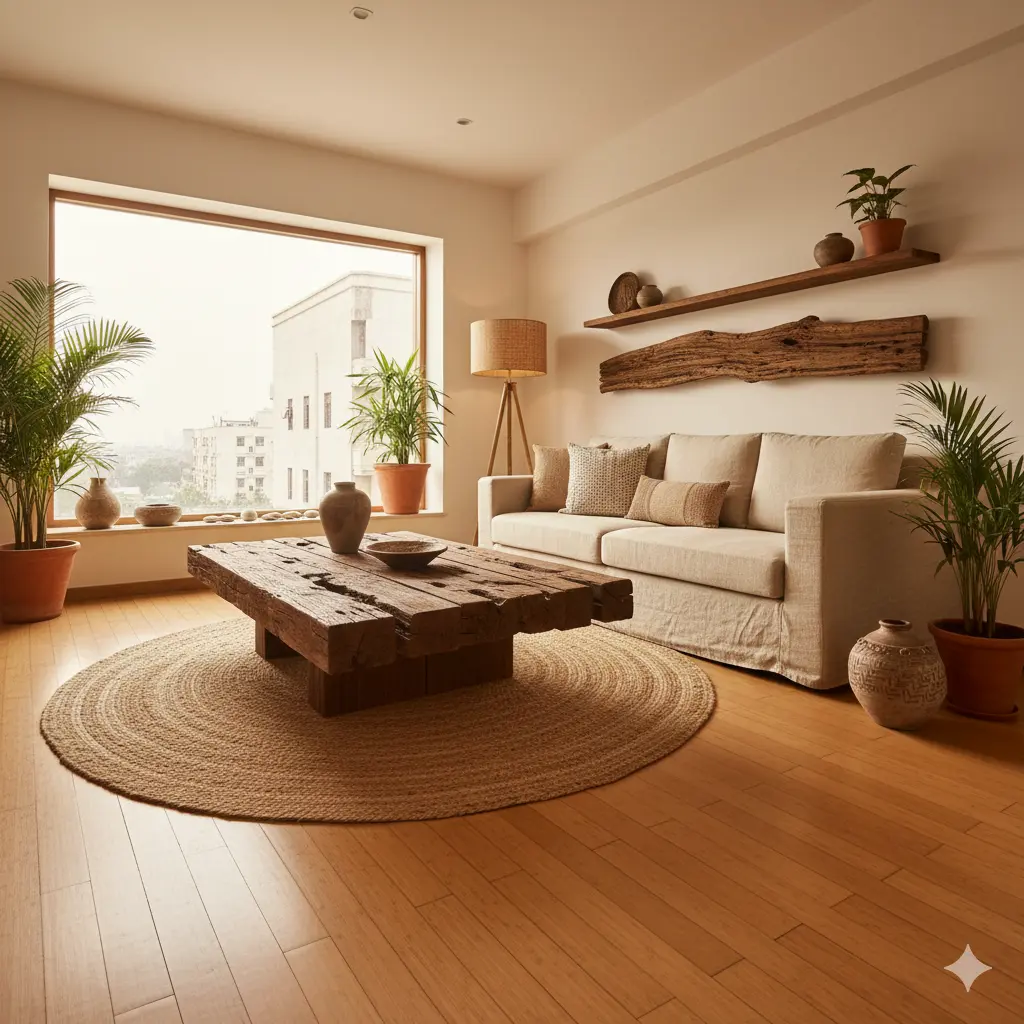
Implementing biophilic design into your apartment can start small. Introduce indoor plants like snake plants, jasmine, or money plants native to Indian climates as an initial step. Natural materials like bamboo furniture, jute rugs, terracotta planters, and reclaimed wooden pieces bring natural textures into your space while supporting sustainability; cross ventilation, maximized daylight exposure, and water features will further deepen this connection between nature and yourself.
Sustainable and Eco-Friendly Materials: Making Conscious Choices
Sustainability has rapidly evolved into an integral component of modern interior design. Indian homeowners now make conscious choices when selecting their materials – favoring eco-friendly options which reduce environmental impacts without sacrificing style or durability.
Bamboo, one of the fastest-growing renewable resources, has become an essential element in sustainable interior design in India. Used from flooring to furniture and decorative accessories, bamboo offers versatility and strength, while reclaimed wood from old structures in cities like Kolkata and Mumbai provides new life within modern interiors, while decreasing demand for timber products. Finally, Jute (known locally as India’s “golden fiber”) serves beautifully to add warmth and rustic charm while supporting local economies across West Bengal and Assam.
Other sustainable materials gaining momentum include coconut timber from Kerala and Tamil Nadu, organic cotton textiles, terracotta flooring accessories, and natural stones from Rajasthan and Gujarat – these all help reduce carbon emissions as well as add authentic character to Indian apartments.
Multifunctional Furniture for Smart Space Utilization
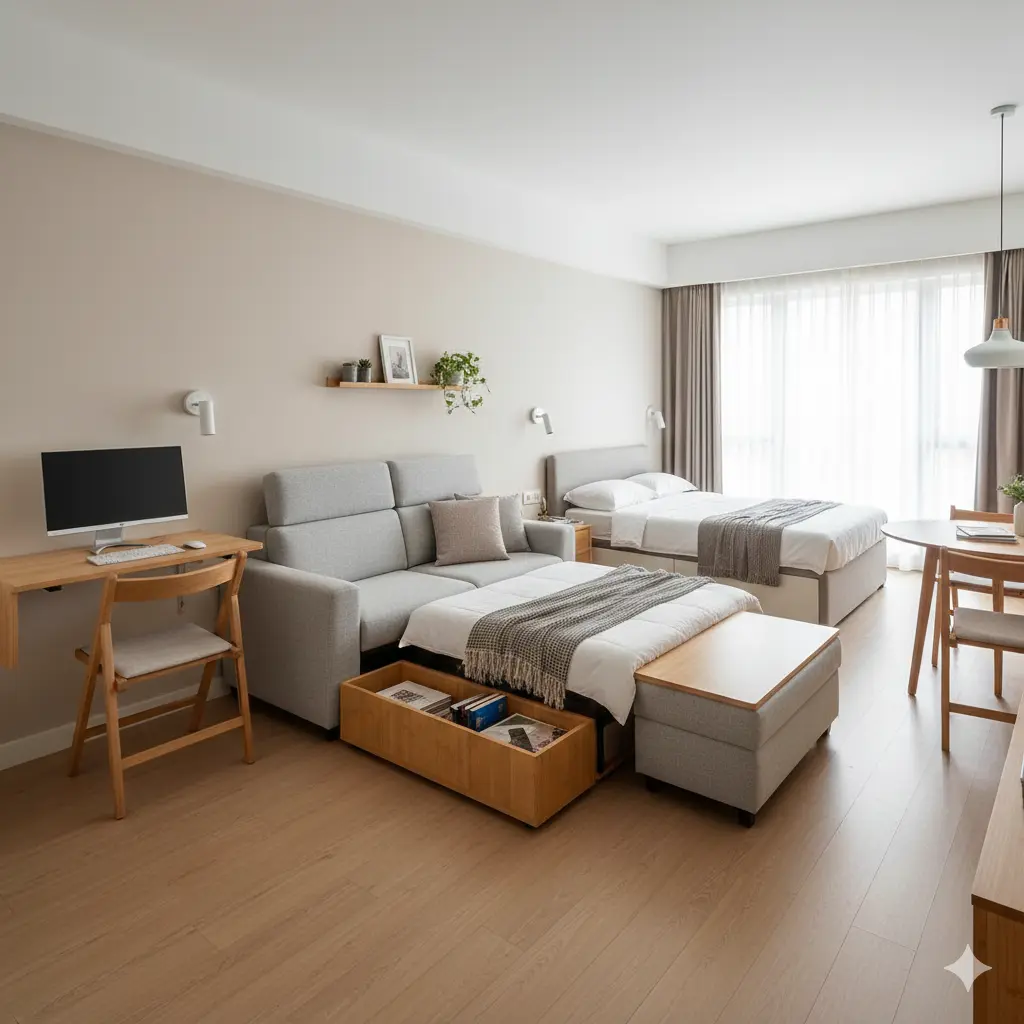
With urban Indian apartments becoming ever more compact, multipurpose furniture has gone from being an indulgence to an essential interior design trend that maximizes space efficiently while meeting aesthetic appeal and comfort requirements simultaneously.
Indian homes benefit from multifunctional furniture pieces like sofa beds that serve both as seating during the daytime hours, then transform into comfy guest beds at night, storage beds equipped with built-in drawers or hydraulic lifts that offer ample room for bedding, clothes and seasonal items, as well as foldable dining tables that expand when hosting gatherings and fold back up again when no longer necessary – furniture pieces that help Indian households become smart homes!
Wall-mounted desks have become integral elements of work-from-home setups, easily folding away when not required. Modular sofas offer flexibility when it comes to meeting different seating needs – either creating lounge-like arrangements or providing individual seats. Ottomans equipped with storage can double up as seating while offering storage solutions for books, toys or other belongings.
Multifunctional furniture represents an emerging trend towards smarter living. By providing multiple functions in one piece, these designs minimize clutter-causing extra furniture while making apartments appear larger and facilitating easy living spaces.
Japandi Style Is Perfect for Indian Homes
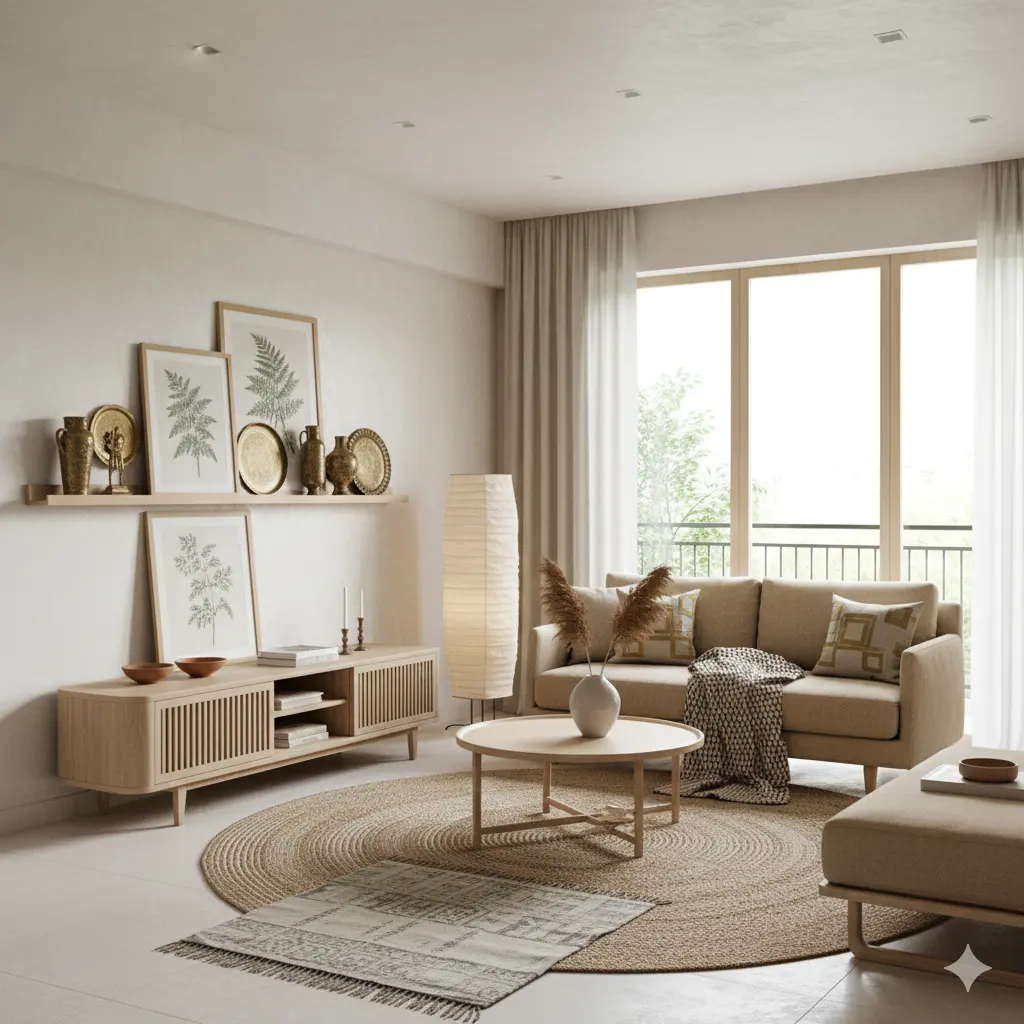
Japanese minimalism meets Scandinavian functionality to form the Japandi interior design trend, appealing to homeowners searching for balance between simplicity and warmth in their living spaces. Embarking this design trend also involves clean lines, neutral palettes and natural materials in creating cozy yet inviting living environments – ideal qualities in India where homes often lack enough of both!
Key characteristics of Japandi design are limewash finish walls which create a gentle yet relaxing ambience, furniture made with light natural woods such as white ash wood or oak; soften spaces through curves and organic shapes while neutral color palettes with warm undertones; minimal ornamentation with focus on functional beauty are among its key hallmarks.
Japandi style lends itself beautifully to Indian apartments by mixing traditional elements such as handwoven textiles, brass accessories and cultural artifacts with minimalist Scandinavian pieces that feel global inspired while remaining deeply rooted within Indian culture. Open layouts and emphasis on natural lighting make Japandi particularly well suited to compact urban apartments where creating the sense of spaciousness is crucial.
Color Palettes in Indian Apartments for 2026
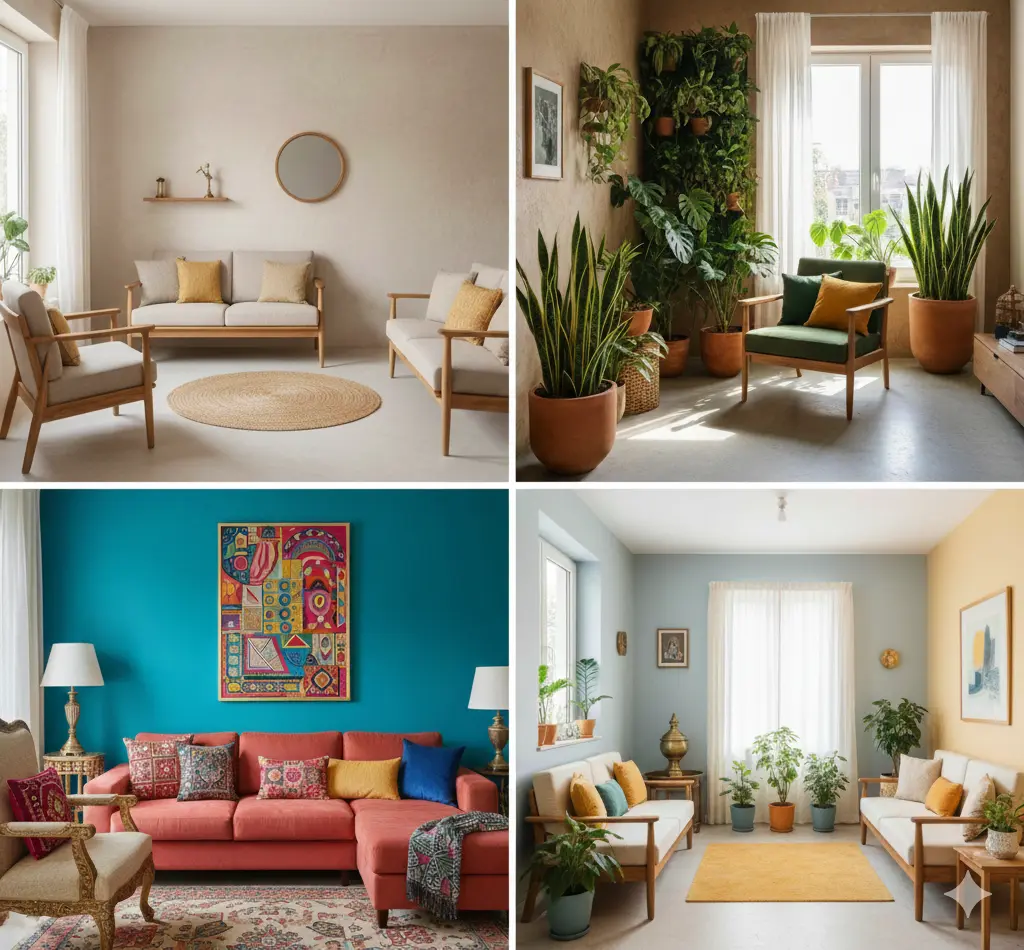
Interior design trends shaping Indian apartments in 2026 reflect an engaging blend of global influences and local sensibilities, from biophilic design bringing nature indoors, smart technology that enhances daily life, sustainable materials to honor environmental responsibility, multipurpose furniture that optimizes space utilization; all are offering stylish yet comfortable environments designed specifically to their user.
No matter which style of interior decorating you embrace – whether Japandi minimalism, vibrant expression of color-drenched rooms or spiritual balance through Vastu-compliant design – the key is in crafting spaces that authentically represent your lifestyle and values. As Indian interiors continue their evolution, successful designs will honor tradition while welcoming innovation; balance functionality with beauty while improving daily lives over time.
Interior designing costs for Indian apartments typically range between Rs5-8 lakhs for 1BHK apartments, Rs8-15 lakhs for 2BHK units and 15-25 lakhs for 3BHK properties depending on materials, finishes and customization levels. By investing thoughtfully in contemporary design elements that reflect today’s trendiness while meeting future requirements of your sanctuary apartment.
Smart Home Technology Integration
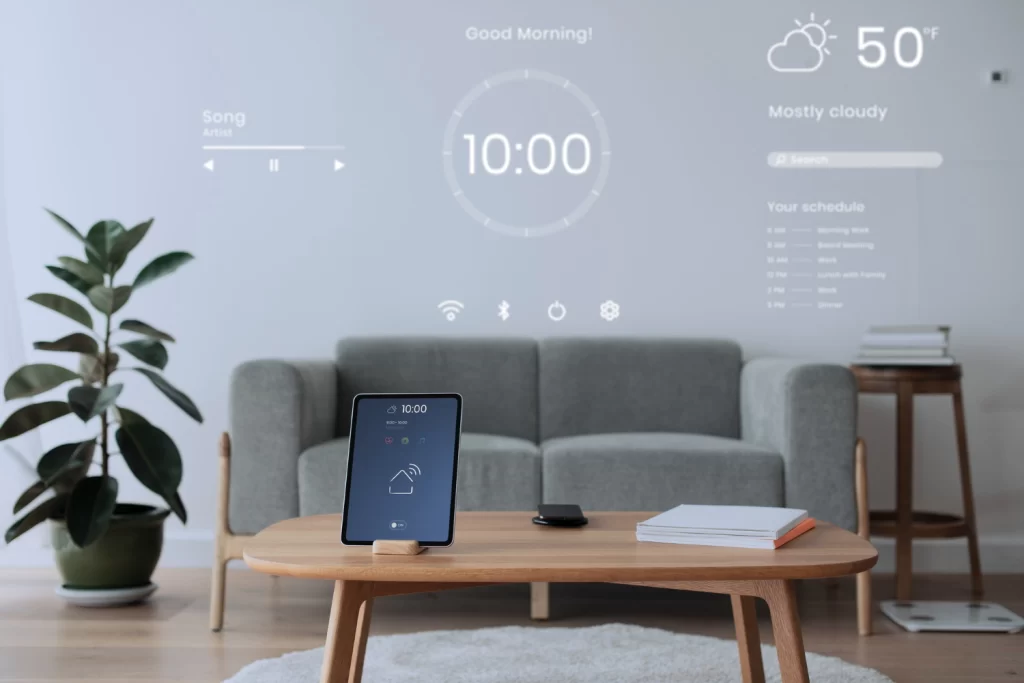
Indian apartments are increasingly adopting smart home technologies as the mainstream. Integrating intelligent systems enhances convenience, security and energy efficiency while still remaining stylishly aesthetic.
Popular smart home features include automated lighting systems that adapt to daily schedules and can be controlled through smartphones or voice command, smart thermostats with climate control for optimal comfort, voice-activated assistants like Alexa or Google Home to control various appliances remotely, smart security systems that use video doorbells, motion sensors, remote controlled locks and connected ovens, refrigerators and coffee makers; as well as kitchen appliances like connected ovens, refrigerators and coffee makers.
Success with smart home integration lies in its discreet implementation that blends technology into decor seamlessly. Invisible speakers, wireless charging furniture, and voice-activated systems are essential features that add functionality without detracting from aesthetic appeal. Indian families in particular find smart home technology advantageous, providing elderly parents and working professionals with more convenience and safety at home.
Lighting as Functional Art Pieces
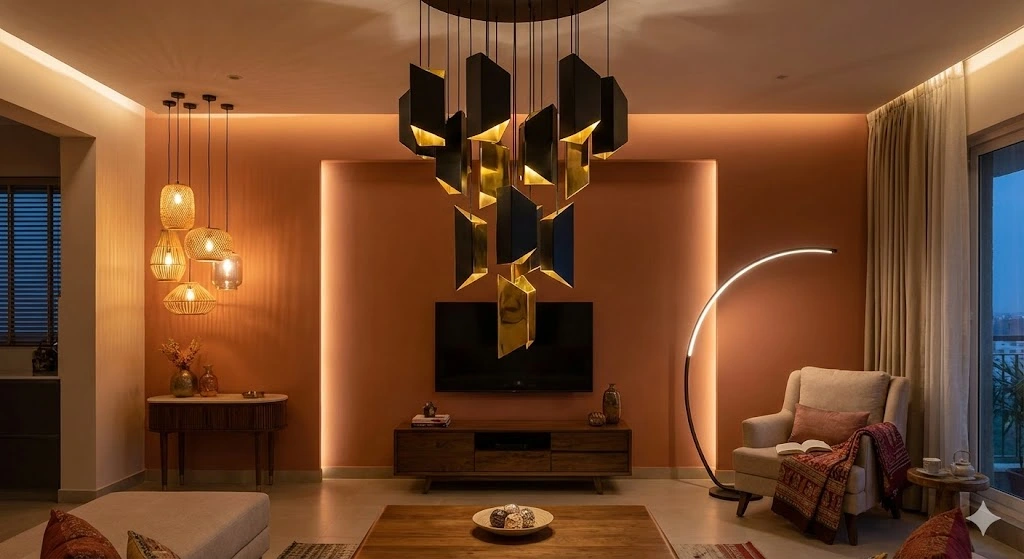
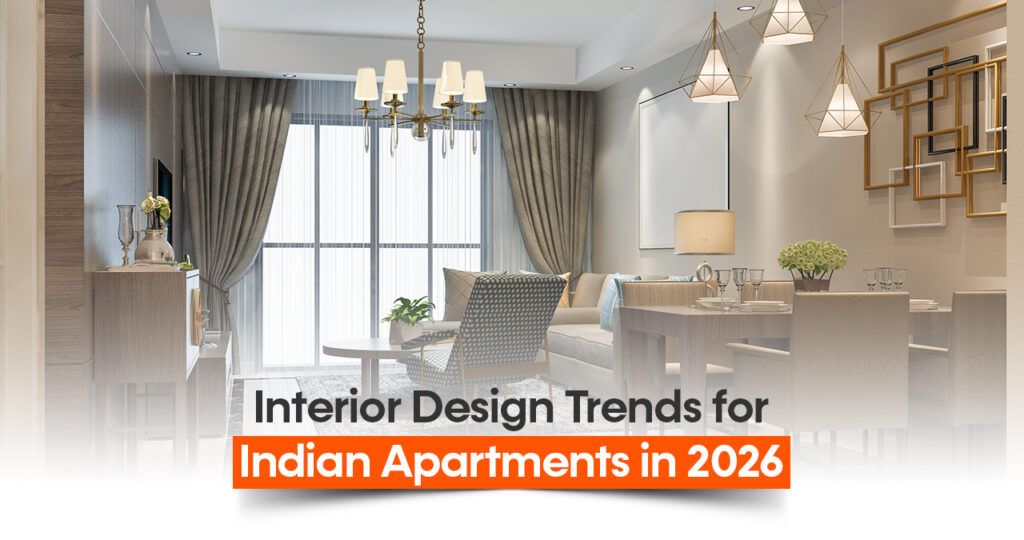
In 2026, lighting has gone beyond serving its functional role to become a design statement in Indian apartments. Dramatic chandeliers, sculptural pendants and artistic fixtures serve as focal points that define spaces while providing illumination.
Statement lighting trends for 2019 include bold chandeliers crafted of metals, glass, and eco-friendly materials; clustered pendant lights in various shapes and sizes; biophilic lighting made with materials like bamboo cane rattan; matte black and gold finishes to add minimalist luxury; as well as intelligent lights with adjustable brightness levels and color temperatures.
Layered lighting approaches combine ambient, task and accent lights to provide depth and flexibility in apartments. Chandeliers combined with floor lamps work great in living areas while bedroom use wall lamps alongside pendant lights create depth while adding visual interest – these multi-source solutions ensure functionality without diminishing visual interest.
Modern Modular Kitchens: Efficiency Meets Style
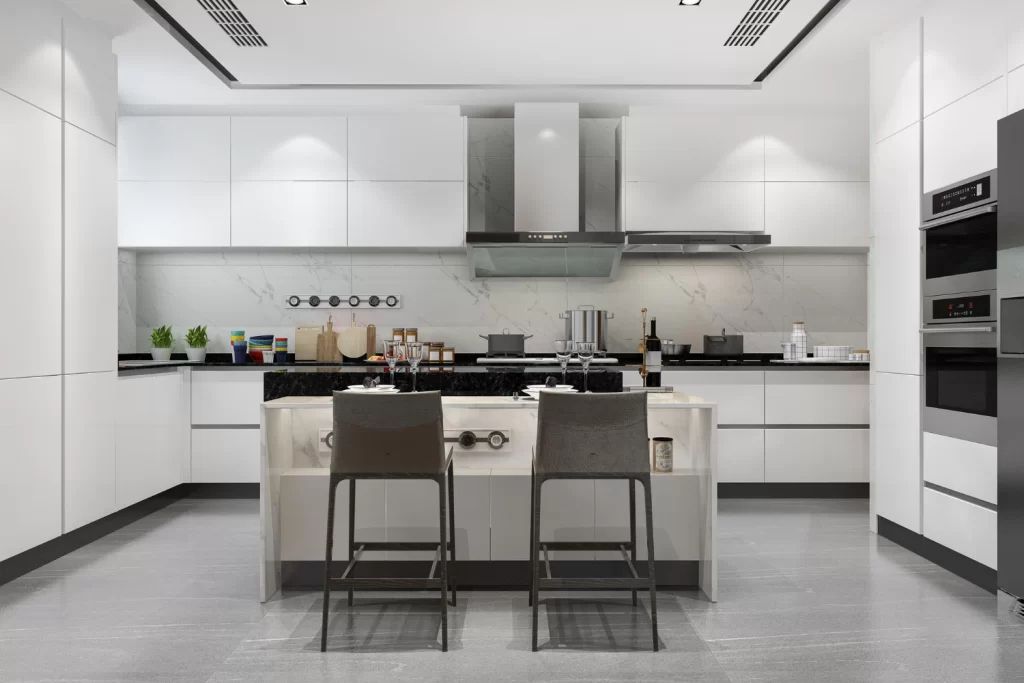
Modular kitchens continue to transform Indian apartments, merging smart layouts with contemporary aesthetics for optimal efficiency in compact spaces without compromising style and function. 2026 trends place particular importance on maintaining style while upholding efficiency within smaller areas.
Popular modular kitchen layouts for smaller spaces include L-shaped designs ideal for mid-sized apartments that create ergonomic work triangles; U-shaped configurations suitable for families that prioritize ample storage and workspace; parallel kitchens featuring two facing walls to double storage and prep areas; as well as straight modular designs suitable for tighter quarters.
Smart storage solutions take center stage here, including vertical cabinets extending all the way up to the ceiling, pull-out corner solutions with carousels and rotating shelves, built-in appliances with slimline appearances and light colored cabinets with glossy finishes that create the illusion of openness while sustainable materials such as BWP plywood ensure durability against humid conditions.
Vastu-Compliant Interior Design
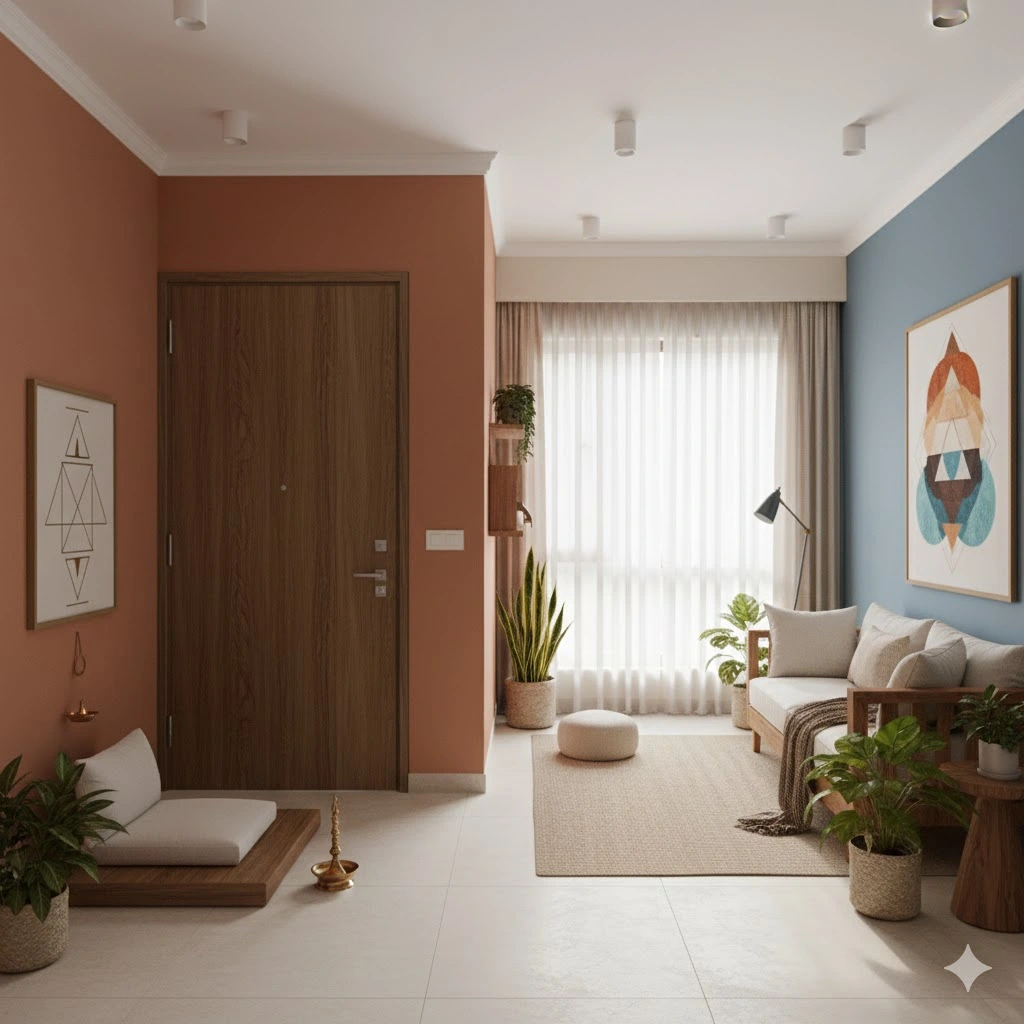
Vastu Shastra principles continue to influence modern Indian apartment design today, as homeowners search for balance between ancient wisdom and contemporary aesthetics. Vastu interior design emphasizes harmonizing all five elements–earth, water, fire, air and space-through material choices and layout considerations.
Key principles of Vastu include aligning meditation rooms in the northeast direction for spiritual practices and meditation, making sure the main entrance faces auspicious directions with clutter-free, well-lit spaces, using color psychology with warm hues such as orange and terracotta giving vitality while blues and greens bring calmness, as well as making maximum use of natural lighting through windows and open floor plans.
Modern homes designed with Vastu in mind successfully combine traditional principles with contemporary elements, using natural materials, sacred geometry patterns and eco-friendly practices such as decluttered spaces and minimalist organization – which work beautifully alongside its focus on energy flow.
Conclusion: Creating Your Dream Indian Apartment
The interior design trends shaping Indian apartments in 2026 reflect a beautiful convergence of global influences and local sensibilities. From biophilic design bringing nature indoors to smart technology enhancing daily living, from sustainable materials honoring environmental responsibility to multifunctional furniture maximizing space, these trends offer practical solutions for the challenges of urban apartment living while creating spaces that are stylish, comfortable, and uniquely personal.
Whether you choose to embrace the calm minimalism of Japandi style, the vibrant expression of color-drenched rooms, or the spiritual balance of Vastu-compliant design, the key lies in creating a space that authentically reflects your lifestyle and values. As Indian interiors continue to evolve, the most successful designs will be those that honor tradition while embracing innovation, balance functionality with beauty, and create homes that enhance daily life for years to come.
The average cost for interior design in Indian apartments ranges from ₹5-8 lakhs for 1BHK, ₹8-15 lakhs for 2BHK, and ₹15-25 lakhs for 3BHK apartments, varying based on materials, finishes, and customization levels. By investing thoughtfully in these trending design elements, you can transform your apartment into a sanctuary that meets your needs today while standing the test of time. Stay tuned with Lets Rentz for the latest information.
Frequently Asked Questions (FAQs)
What are the leading interior design trends in India in 2026?
Minimalism, sustainable décor, fusion styles, and smart home integration will likely dominate Indian apartments this year.
Can I design my apartment to appear spacious in India?
Utilize light colors, smart storage furniture, mirrors, and minimal décor to give the impression that your apartment is larger and better organized.
Are environmentally sustainable materials expensive options for interior decorating purposes?
Not necessarily; eco-friendly materials like bamboo, rattan, and reclaimed wood can make great interior choice options in Indian homes at a lower cost and with greater durability than their alternatives.
Are any specific colors trendy among Indian homeowners for interior decor projects?
Earthy tones like beige, olive green, muted blue, and terracotta have emerged as popular trends for 2026 as they exude an intimate yet natural aesthetic.
What can I do to create the look of luxury in my apartment on a tight budget?
Use layers of lighting, luxurious fabrics, accent walls, and metallic touches such as statement mirrors or rugs; even simple accessories can elevate any space.