The Chandigarh Tricity Metro 2025 project is a transformative initiative set to redefine urban transportation across Chandigarh, Mohali, and Panchkula the three cities collectively known as the Tricity. This ambitious mass rapid transit system (MRTS) promises to address the region’s growing traffic congestion, enhance connectivity, and promote sustainable urban development. In this article, we provide a detailed exploration of the Chandigarh Tricity Metro project, covering its full overview, proposed routes, development timeline, and the latest updates as of 2025.
Chandigarh Metro Full Project Overview
The Chandigarh Tricity Metro project is a long-awaited solution to the transportation challenges faced by one of India’s most meticulously planned urban regions. Encompassing Chandigarh (a Union Territory), Mohali (in Punjab), and Panchkula (in Haryana), the Tricity has witnessed rapid population growth and urban expansion over the past few decades. With this growth has come an overwhelming reliance on private vehicles, leading to traffic bottlenecks, increased pollution, and longer commute times. The metro project aims to provide a modern, efficient, and eco-friendly alternative to alleviate these issues.
Background and Evolution
The idea of a metro system for the Tricity was first floated in the early 2000s, as urban planners recognized the need for a scalable public transportation network. Initial feasibility studies were conducted by organizations like the Delhi Metro Rail Corporation (DMRC) and Rail India Technical and Economic Service (RITES), laying the groundwork for what would become a multi-phase project. However, progress was slow due to bureaucratic hurdles, funding concerns, and the need for coordination between multiple state and central government bodies.
A significant milestone was achieved in July 2023 when the Unified Metropolitan Transport Authority (UMTA) granted formal approval for the project. This approval marked a turning point, expanding the scope of Phase 1 from an initial 66 km to 89 km and setting the stage for a comprehensive metro network. By 2025, the project has advanced to its final planning stages, with construction preparations underway and stakeholders aligning efforts to bring the vision to life.
Objectives and Scope
The primary objective of the Chandigarh Tricity Metro is to reduce traffic congestion and provide seamless connectivity across the Tricity region. The metro is expected to serve as a lifeline for daily commuters, connecting residential neighborhoods, commercial hubs, educational institutions, and transportation nodes like railway stations and airports. Beyond improving mobility, the project aligns with broader goals of sustainability by reducing vehicular emissions and promoting public transport usage.
Phase 1 of the metro will cover 89 km, featuring a mix of elevated and underground sections tailored to the region’s unique urban landscape. Phase 2 is already in the conceptual stage, with plans to extend the network to 114 km, reaching areas like Pinjore and Manakpur Kallar. The project is a collaborative effort involving the Chandigarh Administration, the Punjab and Haryana state governments, and support from the central government, with potential funding from international lending agencies.
Stakeholders and Challenges
The metro’s development requires close coordination between multiple entities, including the National Highways Authority of India (NHAI), Chandigarh International Airport Limited (CHIAL), and local municipal bodies. While this collaboration is a strength, it has also posed challenges, particularly in terms of aligning timelines and securing land. Additionally, preserving Chandigarh’s heritage, designed by the legendary architect Le Corbusier, has been a priority, influencing decisions to build underground sections in certain areas despite the higher costs.
Chandigarh Metro Route Details
The Chandigarh Tricity Metro will feature a well-planned network of lines designed to maximize coverage and accessibility. Phase 1 includes three primary corridors that connect key areas across Chandigarh, Mohali, and Panchkula, with plans for further extensions in subsequent phases. Below is a detailed breakdown of the proposed routes.
Line 1: Paraul (New Chandigarh) to Sector 28 (Panchkula)
- Length: 34 km
- Key Areas Covered: New Chandigarh (Paraul), Sarangpur, Khuda Lahora, Postgraduate Institute of Medical Education and Research (PGI), Panjab University, Sector 26, Chandigarh Railway Station, ISBT Panchkula, Sector 28 (Panchkula)
- Features: This corridor will serve as a vital link between Punjab and Haryana, catering to students, healthcare visitors, and commuters traveling to Panchkula’s commercial zones. A significant portion, particularly from PGI to Transport Chowk, will be underground to preserve Chandigarh’s heritage sectors (1 to 30). The line will also connect to the Chandigarh Railway Station, enhancing intermodal transport options.
Line 2: Rock Garden to Zirakpur ISBT
- Length: 42 km
- Key Areas Covered: Rock Garden, Industrial Area, Chandigarh Airport, ISBT Sector 43, Aerocity NH-7 Junction, Mohali, Zirakpur ISBT
- Features: This corridor is the longest in Phase 1 and will connect Chandigarh’s iconic Rock Garden a major tourist attraction to the bustling Zirakpur ISBT. The route includes a stop at Chandigarh Airport, making it a critical link for travelers. The section from Rock Garden to Sector 43 will be underground, transitioning to elevated tracks as it extends into Mohali and Zirakpur. This line will serve industrial zones, residential areas, and key transportation hubs.
Line 3: Grain Market Chowk (Sector 39) to Transport Chowk (Sector 26)
- Length: 13 km
- Key Areas Covered: Grain Market Chowk (Sector 39), Vikas Marg, Tribune Chowk, Transport Chowk (Sector 26)
- Features: Fully elevated, this corridor will run along Madhya Marg, one of Chandigarh’s arterial roads. It is designed to serve the city’s central areas, providing quick access to commercial districts and residential neighborhoods. Its shorter length makes it a focused yet essential part of the network, easing traffic along a busy stretch.
Future Extensions (Phase 2)
Phase 2 will expand the network by an additional 25 km, with proposed extensions to Pinjore (Haryana) and Manakpur Kallar (Punjab). These routes will further integrate outlying areas into the Tricity’s transportation ecosystem, supporting regional growth. The metro stations will feature modern amenities such as real-time tracking, escalators, and integration with e-vehicles and bus services, ensuring a seamless commuting experience.
Design Considerations
The routes have been planned with careful consideration of the Tricity’s topography and urban fabric. Underground sections in Chandigarh’s heritage zones minimize disruption to the city’s aesthetic appeal, while elevated sections in Mohali and Panchkula optimize cost and construction speed. The metro’s alignment with existing transport hubs like ISBTs, the railway station, and the airport underscores its role as a comprehensive mobility solution.
Chandigarh Metro Timeline
The Chandigarh Tricity Metro is being developed in phases, with a detailed timeline outlining key milestones from planning to operation. Below is the anticipated schedule based on the latest information available in 2025, optimized with the keyword “Chandigarh Metro timeline.”
- 2023-2024:
- Formal approval by UMTA in July 2023.
- Finalization of the Detailed Project Report (DPR) by RITES and other agencies.
- Formation of a special committee to assess financial feasibility and resolve infrastructure concerns.
- 2025:
- Completion of land acquisition processes across Chandigarh, Mohali, and Panchkula.
- Allocation of 50 acres in New Chandigarh by the Punjab government for a metro depot.
- Finalization of depot locations and tendering for construction contracts.
- 2026-2027:
- Start of construction for Phase 1, beginning with elevated sections in Mohali and Panchkula.
- Groundbreaking for key stations like ISBT Zirakpur and Chandigarh Airport.
- 2030:
- Completion of underground sections in Chandigarh’s heritage sectors (e.g., PGI to Transport Chowk).
- Testing and safety certifications for initial stretches.
- 2034:
- Full operation of Phase 1, with all three lines (89 km) open to the public.
- Launch of commercial services, connecting Paraul to Panchkula, Rock Garden to Zirakpur, and Grain Market Chowk to Transport Chowk.
- Post-2034:
- Initiation of Phase 2 construction, targeting extensions to Pinjore and Manakpur Kallar.
- Gradual expansion to the full 114 km network.
Potential Delays
While the timeline is ambitious, the project has faced delays in the past due to funding uncertainties and intergovernmental coordination issues. Environmental concerns, such as tree felling and heritage preservation, have also slowed progress, though mitigation measures like underground construction and afforestation plans are in place.
Latest Updates and Challenges
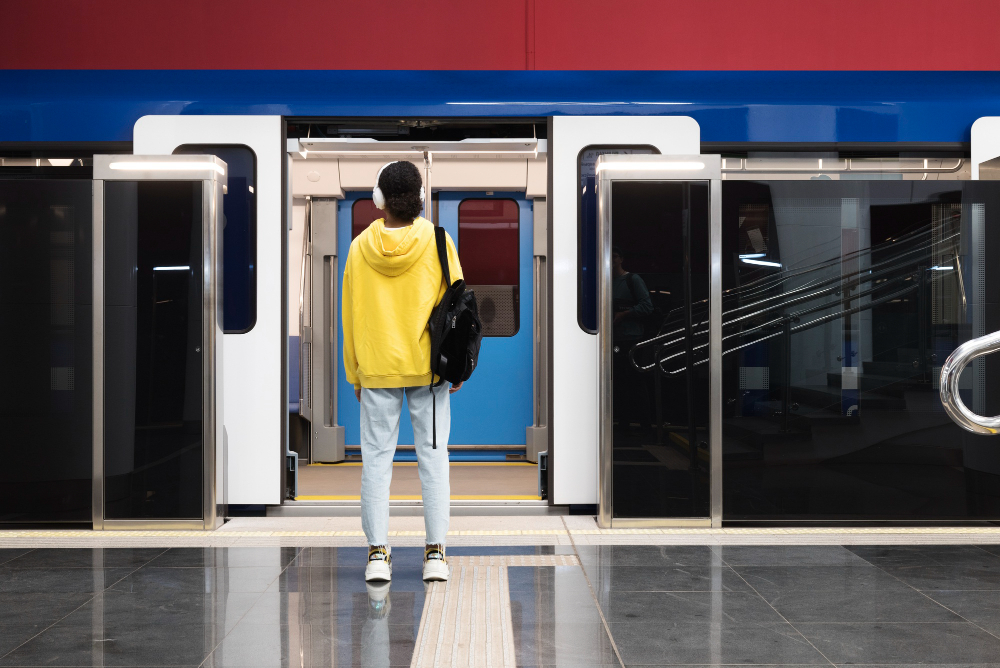
As of 2025, the Chandigarh Tricity Metro project is gaining momentum, with significant strides made in planning and approvals. The special committee formed in 2024 continues to address financial viability, exploring public-private partnership (PPP) models and central government grants to fund the estimated ₹10,000 crore+ project cost. Coordination with NHAI and CHIAL is ongoing to integrate the metro with highway and airport infrastructure.
A major focus has been on sustainability and heritage preservation. The decision to build underground in Chandigarh’s core sectors has been widely praised, though it increases costs and construction complexity. Environmentalists have raised concerns about potential tree loss, prompting authorities to commit to compensatory afforestation and green construction practices.
Also Read - Best Malls in Chandigarh: Location, Address, and Opening Time
Conclusion
The Chandigarh Tricity Metro 2025 project is more than just a transportation initiative; it’s a vision for a connected, sustainable, and vibrant Tricity region. With its well-planned routes, phased timeline, and commitment to balancing development with heritage, the metro is poised to transform how residents and visitors navigate Chandigarh, Mohali, and Panchkula. As construction looms on the horizon, the promise of reduced traffic, cleaner air, and enhanced mobility is within reach. Stay tuned for more updates as this landmark project progresses toward its 2034 operational debut. Chandigarh Tricity is the right place to invest in flats in Mohali. There is still time to invest in Chandigarh Mohali.